
Blogs

IPMI & Member News

RFP request for proposal plexus icon. Vector stock illustration
Data Enforcement IPMI Blog Technology

From Standalone Tools to System Modernization: How Parking RFPs Are Evolving

The way parking agencies approach technology is evolving. Not long ago, RFPs typically solved one problem at a time: pay stations, permit software, citation management, enforcement equipment. Today, agencies are asking a broader question. Instead of "What product do we need?" parking leaders are increasingly asking, "How do we modernize our entire operation?" What were once standalone technology purchases are becoming larger modernization initiatives, considering customer experience, data visibility, compliance, and integration as one strategy.

Improve Your Foxhole: A Special Forces Operator's Take on Parking, Online Exclusive graphic
Data IPMI Blog Leadership Training/Education

Improve Your Foxhole: A Special Forces Operator's Take on Parking

Before he built parking technology, Sean Glavin spent nine years in the Army, including six as a Green Beret with the 5th Special Forces Group, the Army's elite unconventional warfare unit. Green Berets deploy in small teams into ambiguous, high-stakes situations where decisions must be made with incomplete information. He came away with one conviction that outlasted the uniform: Nothing is ever finished; it is either being improved or neglected.

Small Steps, Big Impact Online Exclusive graphic
Community Development IPMI Blog Leadership Municipal/Cities

Beyond the Parking Space: How Small Changes Can Strengthen Communities

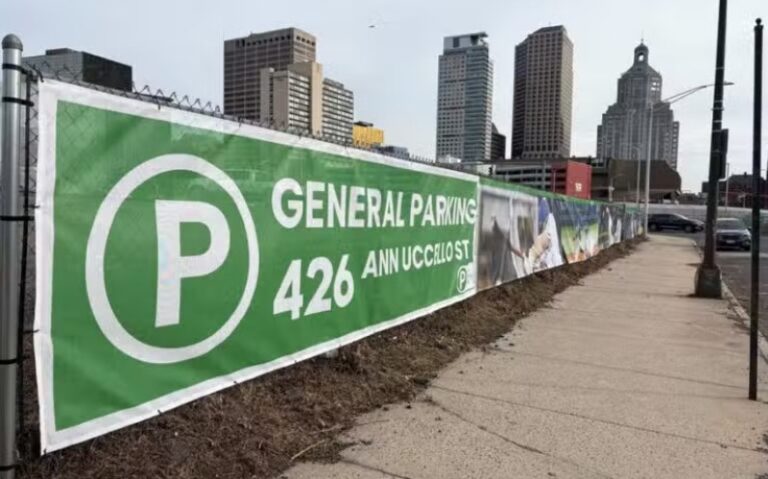
Parking is often one of the first and last points of interaction people have with a city. At the Hartford Parking Authority (HPA), we shared a commitment to doing our part to make that impression positive, even as we worked toward larger strategic goals. Together, we focused on something we could accomplish quickly and affordably while creating the greatest possible value for the community.

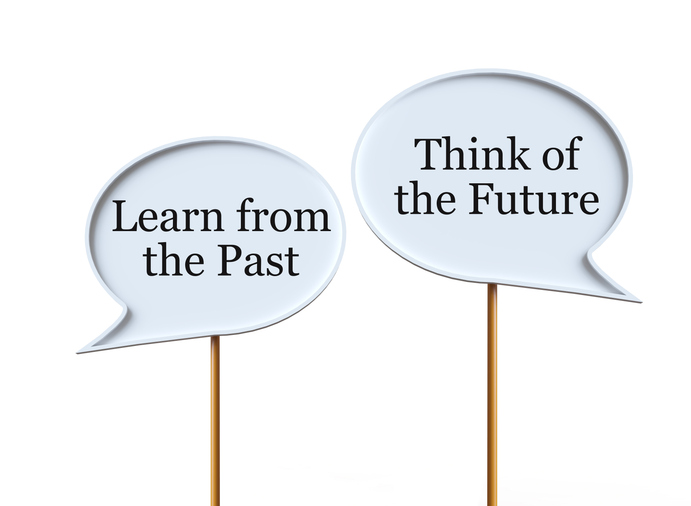
Past and Future
Design Development IPMI Blog Parking Facilities Training/Education

Learning from Past Mistakes: Applying Lessons from Parking Structure Deterioration to the Design of Innovative, Resilient, and Durable Facilities for the Future

On October 13, IPMI’s Planning, Design, & Construction (PDC) Committee will host an interactive roundtable examining lessons learned from the deterioration of existing parking structures—not simply to understand what went wrong, but to consider how those lessons can improve the way parking facilities are designed, constructed, monitored, maintained, repaired, and adapted for the future.

Online education e-learning internet lessons Seminar via online website Studying abroad, distance conferencing, online education technology, teaching videos and internet lessons.
Data Enforcement IPMI Blog Municipal/Cities Technology

Learning Lab Key Takeaways: Beyond Rip-and-Replace: The Shift Toward Open Parking Ecosystems Presented by Trellint

In this Learning Lab, Trellint explored how parking and mobility agencies are shifting away from traditional "rip-and-replace" technology projects and toward open ecosystem strategies. Rather than replacing entire platforms, agencies are increasingly integrating specialized technologies that work together while preserving existing investments.

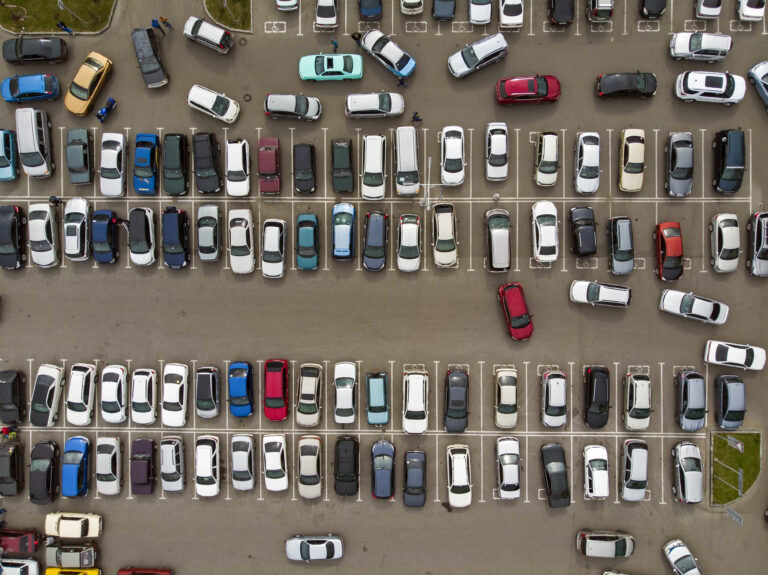
A view from above to the lines of parked cars. Heavy traffic in the parking lot. Searching for spaces in the busy car park. Cruising for parking in dormitory area. Difficulties of parking in the city.
Finance IPMI Blog Leadership Parking Lots University

When Parking Becomes Personal

If you work in university parking and transportation, you quickly learn that parking is rarely just about parking. Our departments serve a remarkably diverse group of people—students, faculty, staff, medical professionals, visitors, contractors, administrators, and other university departments. Each group has different needs, expectations, and priorities. Trying to balance those needs can make parking operations one of the more challenging areas of a university to manage.

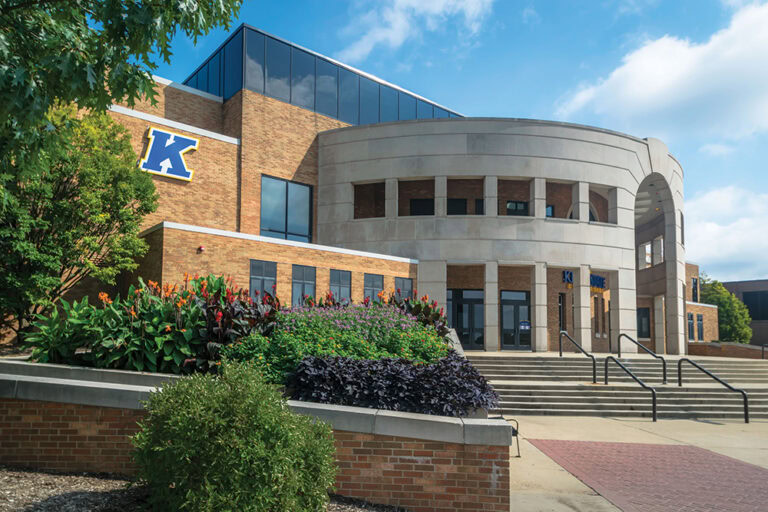
Kent State University: My Year in the Rearview: Lessons in Collaboration, Technology, and the Politics of Parking blog photo
IPMI Blog Leadership University

My Year in the Rearview: Lessons in Collaboration, Technology, and the Politics of Parking

I am relatively new to my role directing parking and transit services at Kent State University, and, as you can expect, I’ve had some challenges and lessons along the way. I’ve found it both cathartic and beneficial to reflect on the challenges and lessons learned since stepping into leadership in this industry. I’ve learned how much of a collaborator I truly am and how this has helped me to be a better leader. I’ve dealt with the strain of not being fully staffed and struggling to remain operational while also trying to manage burnout for myself and my staff. Finally, dealing with the politics of parking has challenged me and spurred me to grow as a leader.

Legal concept: Scales of justice and and the judge's gavel hammer as a symbol of law and order.
Data Enforcement IPMI Blog Legal Transit

Pennsylvania House Bill 1862: What Private Parking Operators Need to Know About this New Legislation

A major change is coming to private parking operations in Pennsylvania. On July 17, 2026, Pennsylvania enacted House Bill 1862, a wide-ranging transportation bill that establishes a new framework for how private parking operators can issue charges and contact vehicle owners. The new requirements take effect July 1, 2027, giving operators time to prepare.

Online education e-learning internet lessons Seminar via online website Studying abroad, distance conferencing, online education technology, teaching videos and internet lessons.
Frontline IPMI Blog Leadership Training/Education

Frontline Fundamental Key Takeaways: Stronger Together: Building Solid, Supportive, and Successful Teams

This Frontline Fundamentals session, "Stronger Together: Building Solid, Supportive, and Successful Teams," was led by Vanessa Cummings (Ms. V), a parking and mobility consultant with more than 32 years of experience. Participants explored four key work styles, task-oriented, time-oriented, risk-taker, and follower, and learned how understanding these styles can improve teamwork, communication, and task delegation. Ms. V also shared practical strategies for collaborating with and managing different personality types across organizational settings.

Barrier construction safety fence
Design Finance IPMI Blog Maintenance Parking Facilities

Construction Methods for Parking Structures

A parking structure is not just a place to store cars. It is a long-term infrastructure asset exposed to water, chlorides, freeze-thaw cycles, vehicle loads, and daily traffic. The construction method chosen affects:

Beyond the Citation: Redesigning Parking Enforcement for Trust and Compliance blog photo
Data Enforcement IPMI Blog Policy

Beyond the Citation: Redesigning Parking Enforcement for Trust and Compliance

Parking enforcement has a perception problem, and according to Passport’s 2025 Parking Compliance Trends Report, 72% of compliance challenges stem from human factors rather than technology. That means the biggest obstacle between parking programs and their goals isn’t the tools -- it’s the relationship between enforcement and the public.

Parking lot closed graphic
Events IPMI Blog Sustainability University

A Sustainable Shift in Event Parking Operations

At North Carolina A&T State University (N.C. A&T), sustainability is more than a buzzword; it is woven into daily operations. As the nation’s largest historically Black college or university, N.C. A&T hosts a vibrant calendar of events, from legendary homecomings to major athletic matchups. Yet with each event comes the challenge of managing parking logistics efficiently and responsibly.