June 2025 | Real Estate, Planning, Design, & Construction
How are the built environment experts shaping the future of parking and mobility?
IPMI & Member News
How are the built environment experts shaping the future of parking and mobility?
How did Princeton evolve to meet the new demand for parking? With a multi-pronged approach, they integrated cutting-edge technology, incentivized alternative commutes, and rolled out transit programs, all while maintaining operations on a 275+ year-old campus amidst major construction. Join the Princeton University team as they showcase how data can drive smarter decisions, ease parking stress, reduce congestion, and ultimately improve the campus experience.
What does the future hold for parking, transportation, and mobility?
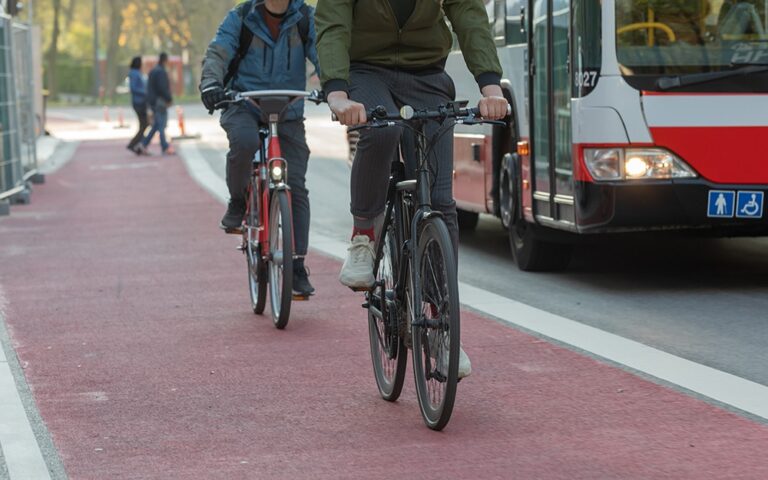
Sacramento, CA – The City of Sacramento and Sacramento Regional Transit (SacRT) are partnering to launch automated bike lane enforcement, making Sacramento the first city in California – and in the United States – to enforce bike lanes using technology installed on transit buses. This initiative expands upon SacRT’s automated bus stop enforcement program, which currently equips 100 SacRT buses with camera systems to identify and report vehicles illegally parked along bus stops. Now, that same technology will also target illegal parking in bike lanes — a move by the City of Sacramento to protect vulnerable road users and improve roadway safety citywide. Why this program is essential When vehicles park illegally in bike lanes, cyclists are forced into traffic, putting them at greater risk of serious injury or worse. By keeping bike lanes clear, this program enhances safety and predictability for everyone on the road — whether they are walking, biking, driving, or riding transit. How this program works One hundred SacRT buses are equipped with front-facing cameras powered by machine learning and artificial intelligence (AI) from Hayden AI. These cameras detect and record instances of illegal parking in Sacramento bus stops and bike lanes. When a violation occurs, the system captures a short video and a photo of the vehicle’s license plate, and the exact time and location of the incident. This information is then sent to the City of Sacramento for review and violation processing. As of Monday, April 14, 2025, drivers illegally parked in Sacramento bike lanes will receive warning notices in the mail. Violations with an accompanying fine will be issued starting Friday, June 13, 2025. This program is made possible by Assembly Bill 361 (AB 361), which authorizes California cities to use forward-facing cameras for enforcing parking violations in bike lanes and transit zones — a vital legislative step toward making streets safer for everyone. Key details for drivers: Notification start date: Monday, April 14, 2025, began a 60-day grace warning period. Violation start date: Violations with fines will be issued starting Friday, June 13, 2025. Violation process: If a vehicle is detected obstructing a bike lane, a parking violation will be mailed to the registered owner. “We’re proud to be the first city in the country to use this technology to help keep our bike lanes clear,” said Staci Hovermale, Parking Services Manager for the City of Sacramento. “This tool helps us enforce existing parking rules more effectively, improving safety for cyclists and ensuring everyone shares the road responsibly.” “Keeping bike lanes clear is an important part of making Sacramento a place where everyone can thrive,” said SacRT General Manager/CEO Henry Li. “This program will help improve safety and travel times for everyone on Sacramento roads, no matter how you travel around.” California-based Hayden AI is providing the automated bus stop and bike lane enforcement camera systems for SacRT buses, and Duncan Solutions is providing the violation processing software. All evidence packages of parking violations detected by the camera systems are reviewed and ultimately approved or rejected by parking enforcement officers with the City of Sacramento. “We’re honored to support Sacramento in leading the way for bike lane safety,” said Lisa Schule, Executive Chairwoman of Hayden AI. “Using AI technology to protect bike lanes is a transformative shift for urban mobility and safety.”

Rethinking Urban Mobility
Using Automated Parking Enforcement to Boost Urban Mobility
Rethinking Urban Mobility
If you are reading this, chances are, you are involved in the parking or transportation industry. What do you think about inter-city transportation in your city? Is it useful or unusable? What are some of the hardships of public transportation? In our city we have a wide and well-funded public transportation system, yet somehow, it is often late and unused. We are a beachside tourist destination and find that rental cars and beach cruisers often trump the amount of public transportation used. This is great for our local parking resources but at what cost? Why have such a well funded transportation system when beach cruisers and pedestrians are running rampant across the city during our peak season? We have found in our city specifically that people are choosing to stay away from public transportation due to the stories they have heard regardless of the amount of marketing our public transportation system is putting out. With the amount of marketing and advertising the city is using to push the public transportation system, why are we not moving that funding into bettering our sidewalks and bicycle lanes? The people have spoken, and we would like to focus on a more eco friendly focus on inter city transportation! Tate Misiaszek, CAPP is a Project Manager for LAZ Parking. You can reach Tate at TMisiaszek@lazparking.com.
The Changing Face of Transportation: Exploring the ever-evolving modes of transit and micro-mobility and the future of multi-modal transportation planning.
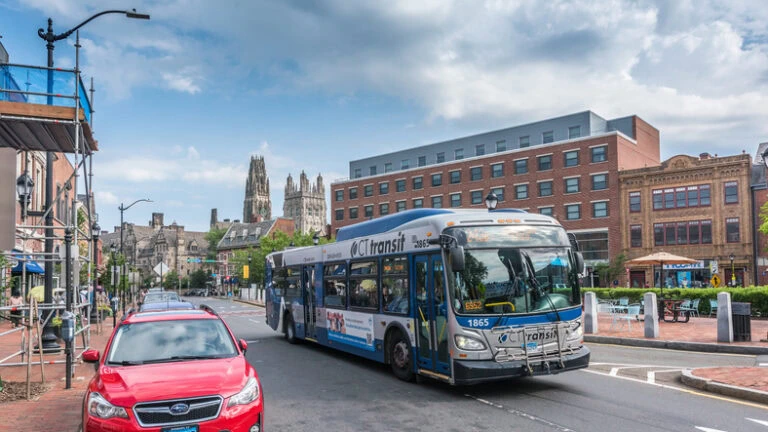
As with many mobility and transportation agencies, Wave Transit in Wilmington, North Carolina has a strong commitment to sustainability initiatives by working to grow ridership, reducing dependence on automobiles, limiting emissions, and minimizing our carbon footprint. Recently, Wave implemented a program that takes advantage of our use of Compress Natural Gas (CNG) for fueling buses by producing monthly revenue through a unique program. CNG has low amounts of nitrogen dioxide, carbon dioxide, and sulfur dioxide while being an average of 33% less than diesel. This particular program falls under the Environmental Protection Agency’s Renewal Fuels Standards (RFS) which links our dispensing of CNG with the production of renewable natural gas elsewhere in the United States. This program is centered on credits known as Renewable Identification Numbers (RINs) that verify that renewable fuel was used as a transportation fuel. Renewable fuel producers generate RINs by producing a gallon (or gallon equivalent) of renewable fuel such compressed natural gas. A commodities company has been engaged by Wave and they combine production and dispensing data to generate RINs which are sold to obligated parties and then Wave receives a monthly payment for a negotiated percentage of the RIN sale. No changes were required with any CNG fueling equipment and processes as this program allows Wave to continue fueling as we have in the past. The program does require documentation and reporting to ensure compliance with the EPA requirements, but the significant financial and sustainability benefits have come with minimal additional effort so this program has been extremely well received. Mark Hairr, CAPP, is an Executive Director for Wave Transit. Mark can be reached at mhairr@wavetransit.com.
As campuses grow, transportation needs evolve. The Campus Master Plan often outlines new roads, buildings, and infrastructure, with parking lots becoming prime construction sites for future development. This creates a domino effect, pushing parking to the periphery and necessitating changes in the campus transportation system. When parking shifts to the edges, it impacts both your budget and transportation logistics. Perimeter lots, often cheaper to park in, will reduce revenue from prime spaces, while new routes must be added to connect these distant lots to the core campus. So, how can transportation departments meet these challenges? 1. Assess and Adjust Transportation Routes To minimize additional costs, review and optimize current bus routes. Combining routes or reconfiguring schedules can open up buses to service new Park-N-Ride locations without drastically increasing expenses. 2. Engage with Administration Be transparent with campus administration about the impact of growth on your transportation budget. Loss of revenue from core parking and increased operational costs may require adjustments, such as a transit fee or funding for new buses. ________________________________________ Why This Is a Good Problem to Have Though these challenges can strain resources, they’re ultimately a sign of success. Growth means more students, faculty, and facilities—and a better campus overall. The transportation department’s role is crucial to ensuring that this growth remains accessible. ________________________________________ Benefits of an Updated Transportation Plan An adjusted transportation plan can: • Facilitate Growth: Free up space for new buildings and infrastructure. • Provide Economical Parking: Shift to more affordable, perimeter parking. • Reduce Traffic: Alleviate congestion in core areas. • Increase Efficiency: Offer quick and easy access to campus. ________________________________________ Is Your Department Ready for Growth? Having a comprehensive transportation plan is vital. It ensures that your campus remains accessible and efficient as it expands. If your department isn’t ready, now is the time to get involved in the conversation. Make sure your transportation plan aligns with the Campus Master Plan, preparing you for the future. Mike Harris, CAPP, is the Director of University Services with SP+ (SP Plus). Mike can be reached at gharris@spplus.com.
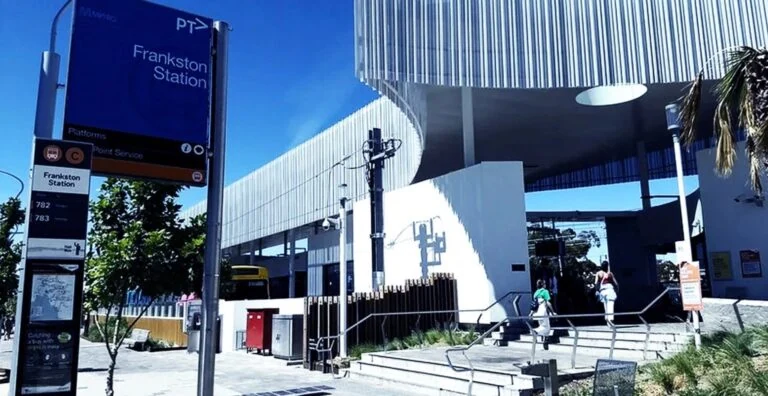
Melbourne, Australia – Frogparking, a global leader in smart parking solutions, is proud to announce the installation of advanced parking technology at Frankston Station in Melbourne, Australia. This installation includes two car counters, a DC gateway, a solar-powered gateway, and a K2 real-time availability sign, all part of Frogparking’s ongoing commitment to improving the commuter experience in Australia’s train stations. This new system will provide real-time parking availability information, offering critical convenience for daily commuters using Frankston Station. The technology is designed to streamline parking management, reduce congestion, and enhance overall efficiency for one of Melbourne’s busiest transport hubs. Frogparking’s partnership with Metro Trains Melbourne (MTM) continues to grow, building on several successful installations around the city. Frogparking’s proven track record in the Australian market demonstrates their ability to consistently deliver innovative solutions for high-traffic areas. “Frogparking is thrilled to continue our work with MTM by bringing our cutting-edge technology to Frankston Train Station,” said Shareena Sandbrook, CEO at Frogparking. “This installation will provide significant value to commuters by ensuring they can easily find parking, improving the overall travel experience.” The Frankston Station multi-deck car park is opening on 16 December 2024, and was delivered by the Level Crossing Removal Project, which seeks to modernize and improve public transport infrastructure across Melbourne.