
Clean Air for All
The Game-Changing Impact of Electric Cars on Environmental Equity
IPMI & Member News
The Game-Changing Impact of Electric Cars on Environmental Equity

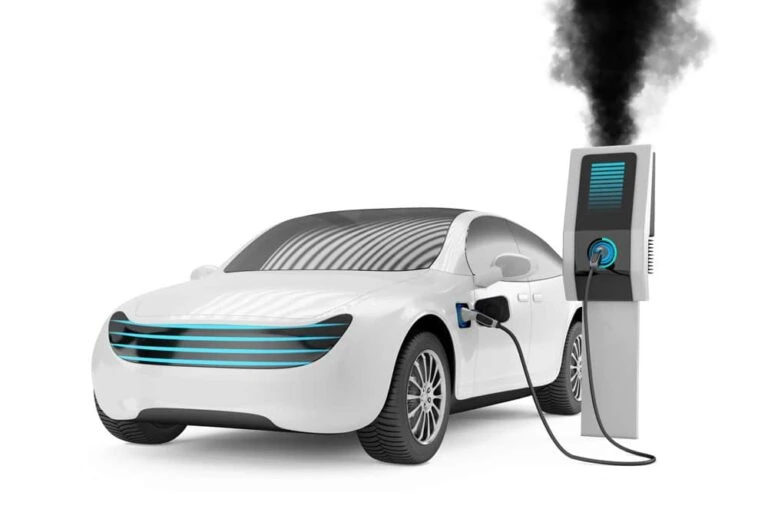
As EVs gain popularity, we must consider the hidden costs of charging infrastructure and maintenance. Limited access to renewable power further questions the sustainability of clean cars. Let’s broaden the conversation beyond EVs to include their power supply.
Business and political leaders recognize the need for a low-carbon economy, with $2.7 trillion in sustainable investment funds. Transportation produces 31% of US net emissions, making it a key focus for change. Parking and mobility professionals are crucial to this transition. It is time for them to take action, with recognition from businesses, governments, and philanthropic organizations.
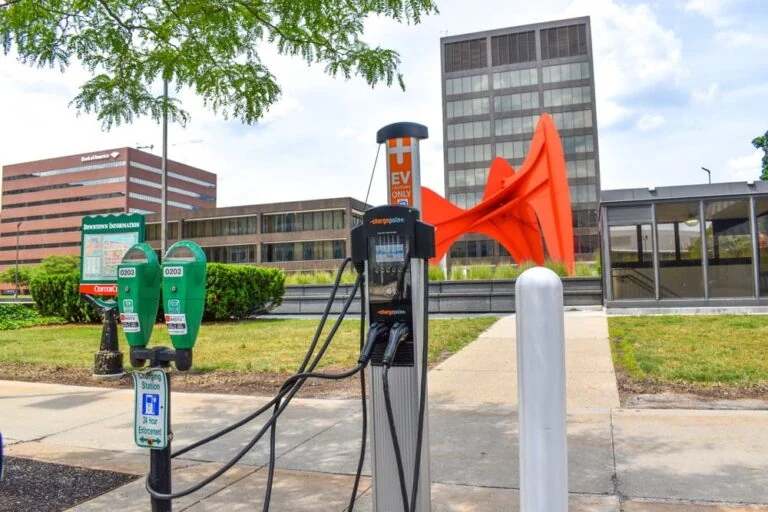
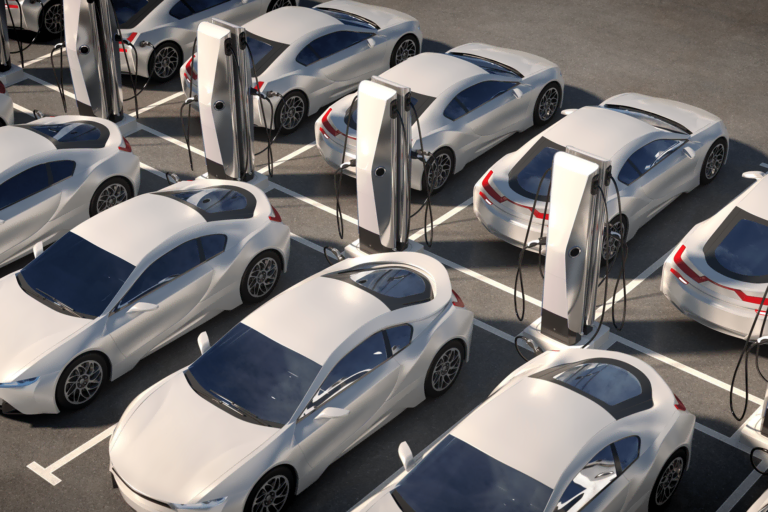
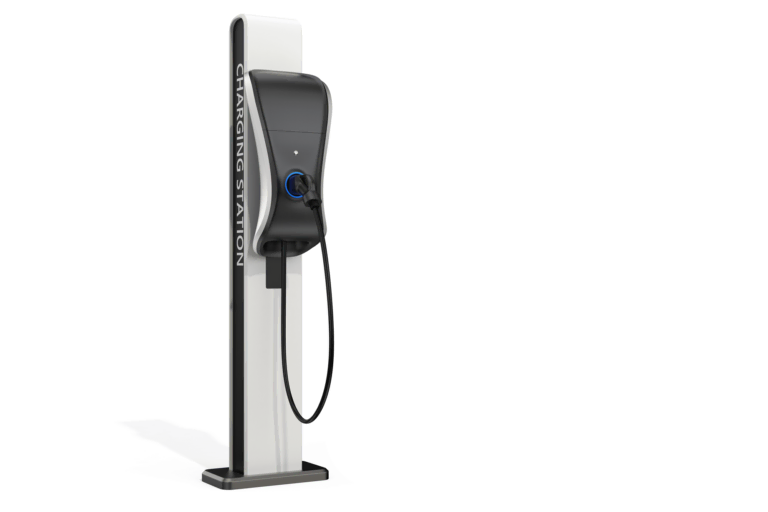
As the market for electric vehicles (EVs) grows rapidly in the United States, governments and communities are being challenged to develop frameworks and consider factors related to EV implementation and the deployment of charging infrastructure. While funding has been provided for a network of EV charging infrastructure, concerns remain around pricing for EV charging, fleet vehicles, and equity considerations. While electric cars are coming and represent a significant advancement towards reducing emissions, balancing the trade-offs is necessary to ensure that inclusive and accessible mobility options exist for all citizens.
The Green Standard stock.adobe.com / SkyLine The transition to electric vehicles (EVs) keeps building momentum and grabbing headlines, from the $5 billion investment in EV charging infrastructure announced by the new Joint Office of Energy and Transportation to the marketing pivot by many auto manufacturers toward their growing battery electric and plug-in hybrid lineups. This
Parking is not something we typically associate with sustainability. That’s not surprising, considering that the transportation sector makes up 14% of global greenhouse gas emissions.
Recently, there has been a ground swell to make parking cheaper or free for commuters returning to campus at our university.
George Mason University finds ways to increase biking with goals of sustainability and wellness in mind.
Electric vehicles are hot commodities these days and lower-cost electric vehicle models are becoming more common. What does this mean for the parking and mobility industry?
5 Things About the Bipartisan Infrastructure Deal
The sustainable human capital approach is paradoxical, because one side requires looking at your teams as the assets that need to be managed in an environmentally friendly and sustainable way, while the other side is prescribing solutions that embrace the holistic approach of seeing the workforce in their entirety as both workers and humans.
Electric vehicles (EVs) are supposed to be the next big thing.