Curb Management

IPMI & Member News

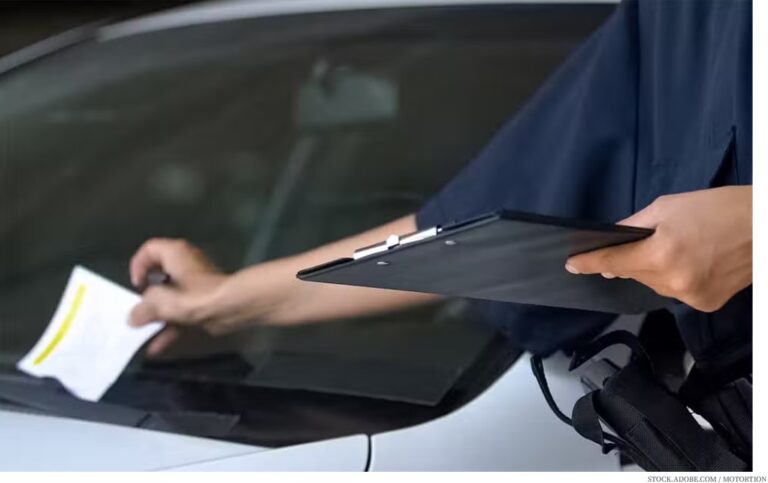
Parking Ticket, Enforcement photo
Curb Management Data Enforcement Finance IPMI Blog

Moving from Parking Punishment to Proportionality

For decades, cities have relied on parking fines as static tools—anchored in tradition more than purpose. Yet as transportation networks grow more complex and streets become riskier, this status-quo approach is failing both residents and policymakers. It’s time to rethink how fines are structured so they not only influence behavior, but do so fairly and strategically. Today, fine schedules often apply harsh penalties to low-risk administrative violations while underpricing high-risk behaviors—like blocking fire hydrants—that endanger the public. This mismatch erodes trust, especially when lower-income residents face disproportionate financial hardship for infractions with minimal social impact. When penalties feel arbitrary, they are perceived less as tools for safety and more as regressive taxes. Data shows that deterrence hinges not just on penalty dollar value, but on its relevance—how well it aligns with risk, compliance value, and community context. Cities that recalibrate fines to reflect both severity and neighborhood realities can improve equity and collections while encouraging safer streets. Prioritizing smarter fine design, proportionality, and targeted enforcement could allow cities to shift away from blanket forgiveness programs—which require administrative lift without addressing root causes. Tools like dynamic pricing, location-based fines, and income-sensitive penalties can help cities strike the balance between fairness and impact. Some jurisdictions have already begun to reform fine structures: New York and Los Angeles are exploring income-based and data-driven fine optimization, respectively, while Chicago recently capped penalties for administrative violations. These efforts signal a growing recognition that fines should reinforce social value, not perpetuate inequity. By grounding enforcement in community impact, equity, and measurable outcomes, cities can treat fines as meaningful policy levers—not punishment. Matt Darst is the Head of Professional Services for Trellint, a Modaxo Company. Matt can be reached at matt.darst@trellint.com.

Passport Logo - Passport Issues City Alert to Help Combat Fraud & Protect Consumers
Curb Management Digital Parking Tech IPMI & Member News Municipal/Cities Vendors/Products

Passport Unveils the First Payment Platform Built to Modernize How Cities Manage Money

Charlotte, NC – Passport, the most trusted technology partner for innovative curb management solutions, is unveiling Passport Payments, a fully embedded payment platform purpose-built for the public sector to deliver better insights that reduce costs, improve efficiency, and make smarter payment decisions. Passport Payments gives cities full visibility and control over the entire payment lifecycle—a first in the industry. “Cities and agencies across the country are facing growing pressure to modernize legacy systems,” said Khristian Gutierrez, co-founder and CEO of Passport. “From parking and transportation programs to supporting adjacent departments, today’s governments need a secure, integrated way to manage revenue streams while improving transparency for their finance teams. Passport Payments delivers exactly that — a modern, scalable solution purpose-built for the public sector that we know will help cities evolve stale processes and deliver the payments ecosystem of the future.” With over $4 billion in curbside payments processed, Passport Payments is already supporting some of the largest U.S. cities like Denver, CO; Tampa, FL; Boston, MA; and Austin, TX. Tapping into its deep experience in high-volume, small-dollar transactions, Passport is expanding its offerings to fit a broader range of municipal payment needs. Passport Payments allows cities and agencies to accept, track, and reconcile payments across departments and services — all within a unified platform. The solution integrates with existing municipal systems to: • Accelerate access to funds • Reduce operational complexity • Enhance financial oversight • Ensure fee transparency and regulatory compliance By consolidating payment operations, governments can finally gain better control and visibility to reduce manual processes and streamline reconciliation. “In Boston, we’re focused on making government services more accessible and responsive to the people who rely on them,” said Richard Andrade, Finance Manager for the City of Boston. “Modernizing our payment infrastructure is a critical part of that mission. Passport’s platform has helped us streamline operations, improve efficiency, and better navigate the complexities our finance teams face every day.” “For over a decade, Passport has helped transform how cities manage parking and transportation — fundamentally reshaping how governments collect, reconcile, and understand payments at scale,” said Matt Harris, Partner at Bain Capital Ventures. “Passport Payments is the natural next step in that evolution, extending the company’s proven infrastructure to support every way consumers interact financially with local governments. Cities and public agencies don’t just need payment processors; they need infrastructure that understands compliance, transparency, and scale. Passport is building that critical layer, and we believe this is one of the most overlooked opportunities in fintech today.” Passport supports over 800 cities and private operators across North America, providing a best-in-class platform for parking enforcement, mobile payments, permitting, and curbside compliance. With the launch of Passport Payments, the company expands its commitment to helping cities modernize infrastructure, increase accountability, and better serve their communities. For more details, visit passportinc.com and https://passportpayments.com/. About Passport Payments Passport Payments is the purpose-built payment platform designed for the public sector. Developed by the innovators of Passport, the industry leader in curb management technology, Passport Payments empowers cities and governments to securely accept, track, and reconcile payments — from parking and transportation to adjacent departments. By consolidating payment operations into a centralized and fully-embedded system, Passport Payments delivers powerful insights that reduce costs, increase efficiency, and ensure regulatory compliance. Backed by the experience of processing over $4 billion in municipal transactions, Passport Payments helps modern governments streamline financial operations and build the payments infrastructure of the future. About Passport Passport is the trusted technology partner for over 800 cities and private operators across North America, unifying paid parking, enforcement operations, and payment infrastructure into one platform. By simplifying how municipalities manage and monetize the curb, Passport empowers local leaders to boost compliance, unlock new revenue opportunities, and improve how people move around their communities. Passport helps cities thrive by delivering the tools and insights they need to meet evolving mobility challenges and create community-focused outcomes.

tybee island town center streets at sunset
Curb Management Digital Parking Tech IPMI & Member News Municipal/Cities Vendors/Products

Tybee Island Streamlines Payments and Parking Compliance with Passport

Tybee Island, GA – The City of Tybee Island, Georgia, has expanded its partnership with Passport, the leader in curbside payment solutions. This continued collaboration unifies enforcement, permitting, paid parking, and payment processing into Passport’s centralized software suite. This enhancement builds on Tybee Island’s existing use of Passport’s platform, which powers its paid parking operations through the ParkTYB app, and further unifies the city’s curbside management. With the launch of digital permitting, residents and visitors can now apply for, purchase, and manage permits online, eliminating paper-based processes and reducing administrative overhead. Additionally, city staff gain access to integrated tools that simplify financial management, track inventory, and provide real-time insights into usage and trends. “What once required managing multiple vendors and financial processes is now streamlined into one hub, delivering cost savings to the customers and operational clarity for our staff, as well as a smoother experience for our entire community,” said Kat Potter, Parking Supervisor, City of Tybee Island. With a proven track record of facilitating seamless transitions and a deep commitment to supporting cities’ evolving needs, Passport is equipping more than 800 communities across the country with the tools to thrive. “Our partnership with Tybee Island reflects Passport’s commitment to supporting cities as their mobility needs evolve,” said Sam Warnecke, VP of Sales at Passport. “By expanding this collaboration, we’re helping the city build a more connected foundation for managing mobility, one that positions them for long-term efficiency and growth.” Visit the company website to learn how Passport’s parking compliance platform streamlines on-street parking, enforcement operations, and curbside payments for cities of all sizes.  About Passport Passport is the trusted technology partner for over 800 cities and private operators across North America, unifying paid parking, enforcement operations, and payment infrastructure into one platform. By simplifying how municipalities manage and monetize the curb, Passport empowers local leaders to boost compliance, unlock new revenue opportunities, and improve how people move around their communities. Passport helps cities thrive by delivering the tools and insights they need to meet evolving mobility challenges and create community-focused outcomes. Media Contact: pr@passportinc.com

IPS Acquires Populus Press Release
Curb Management IPMI & Member News Mobility Technology Vendors/Products

IPS Acquires Populus, Expanding Smart Mobility and Transportation Solutions

San Diego, CA – IPS Group, Inc. (ipsgroupinc.com), a leader in smart parking and curb management solutions, announced the acquisition of Populus Technologies, Inc. (populus.ai), a pioneering provider of transportation data and global leader in mobility and curb management solutions. This strategic move strengthens IPS’s ability to provide cities with the most comprehensive set of smart mobility and curb management tools available. The integration of Populus’ curb and mobility management software with IPS’s smart parking, payments, and enforcement technologies will empower municipalities, universities, and private operators with richer data insights to make better data-driven decisions. Regina Clewlow, CEO & Co-Founder of Populus Technologies, Inc., said the acquisition “unlocks a tremendous opportunity to help cities and operators bring parking and mobility management into the digital era.” She added, “Together, we’ll provide the tools needed to optimize efficiency, improve decision-making, and support smarter, more sustainable transportation systems.” Chad Randall, CEO of IPS Group, Inc., expressed similar enthusiasm, noting that “the acquisition of Populus represents an exciting milestone in our journey to expand IPS’s smart curb management ecosystem.” He continued, “By combining our decades of expertise in parking technologies with Populus’ cutting-edge mobility and curb management platform, we are uniquely positioned to help our current and future clients gain better insights into data trends and elevate decision-making processes to navigate the future of transportation.” The combined solutions will help municipalities, transportation agencies, universities, and private operators gain deeper insights into all parking operations to achieve smarter planning, optimize operations, and improve the quality of mobility and urban life worldwide. About IPS Group, Inc. IPS Group, Inc. is headquartered in San Diego, CA, with offices in Canada and Europe. Since 2000, IPS has led the way, launching the world’s first smart parking meter in 2005 and growing into a fully integrated smart parking ecosystem that unifies hardware, software, data, and services into a platform that puts clients first. Learn more at ipsgroupinc.com. About Populus Technologies, Inc. Populus Technologies, Inc. helps city departments of transportation and parking authorities transform urban mobility by effectively managing ever-growing connected vehicle fleets and congestion in the public right-of-way. The Populus platform is the only comprehensive solution that helps cities code their curbs, aggregate parking data, and deploy digital smart zones to improve curbside management. Our first-of-its-kind GPS-enabled parking technology enables commercial fleets to pay for curbside usage through safe, frictionless payments. Populus is a trusted partner of over 100 cities around the world.  Learn more at populus.ai.

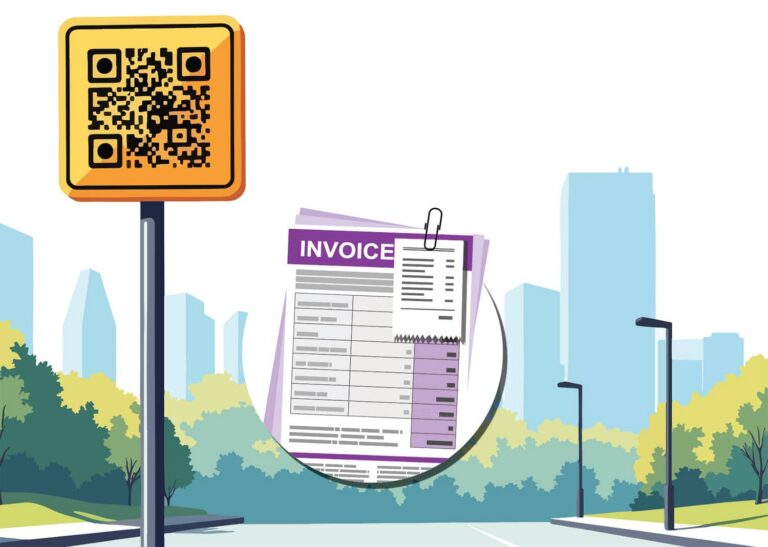
Illustration of a cityscape with green trees, a street sign with a QR code, and an insert of an illustration of an invoice
Accessibility Curb Management Magazine

Rethinking Compliance for Curb Access

Considering Invoicing vs. Citing for Unpaid Curb Use

ParkHelp Unveils Tariff Protection Plan (TPP) to Give Parking Owners Project Cost Certainty by Locking in 2025-2026 Project Pricing
Curb Management Enforcement IPMI & Member News Technology Vendors/Products

ParkHelp Acquires Cleverciti, Creating the World’s Most Advanced Platform for Parking Guidance and Curb Management

Los Angeles, CA and Auckland, New Zealand – ParkHelp, the global leader in parking guidance solutions, announced its acquisition of Cleverciti Systems GmbH, the worldwide leader in AI-powered curb management, on-street parking guidance, and guided enforcement solutions. The acquisition creates the industry’s most comprehensive, end-to-end platform—a unified ecosystem of technologies that reduces traffic congestion, increases revenue, and maximizes compliance and efficiency. “Cleverciti brings world-class AI, data intelligence, and sensor technology to the ParkHelp ecosystem,” said ParkHelp’s CEO Poojitha Preena. “Together, we’re the only global provider able to manage every parking space—on-street or off-street, indoor or outdoor—from one unified, cloud-based platform.” “For years, operators have had to piece together fragmented parking technologies,” said Cleverciti CEO David Parker. “Now, with our unified Portal, they can have a single source of truth for all occupancy, curbside activity, payments, and enforcement data. Whether managing a city’s entire curb network, an airport, or a university campus, clients can deliver a seamless, data-driven experience to drivers and enforcement teams alike—indoor or outdoor, on-street or off-street.” Cleverciti’s curbside, on-street, and open-air off-street technologies are used in over 100 cities across the globe to reduce congestion, increase compliance, and enhance the driver experience using patented AI-enabled overhead sensors, real-time occupancy detection, state-of-the art LED digital signage, and guided enforcement. These technologies perfectly complement ParkHelp’s off-street sensor-based guidance systems and digital signage solutions, and the two platforms will now be combined to offer city operators and private asset owners a single, cohesive solution. The combined platform will enable clients to: Monitor and manage every parking space in real time—across streets, garages, and open-air lots. Guide drivers intelligently to available spaces with dynamic signage and app-based wayfinding. Guide enforcement officers to increase compliance and reduce operational costs. Optimize curb zones for delivery, ride-hail, EV charging, ADA, and more. Leverage powerful analytics to maximize ROI, reduce congestion, and achieve sustainability goals. This strategic acquisition marks a major milestone in ParkHelp’s 20-year history of innovation and positions the company as the go-to global provider for cities, airports, shopping malls, universities, and parking operators seeking a unified, intelligent parking and curbside management solution. “Municipal parking and curb management remain among the most untapped opportunities in urban mobility,” said Andy Bess, Managing Director of TrueNorth Capital Partners, who advised Cleverciti on the transaction. “This combination creates a powerhouse uniquely positioned to shape the future of smart, connected cities.” With a combined direct presence in six countries—The United States, Germany, Spain, Brazil, New Zealand, and Ecuador—and a global network of certified distributors, the group now supports over 600,000 monitored parking spaces across over 700 locations in 50 countries. In addition to this strategic acquisition, ParkHelp announced that it is actively pursuing additional partnerships and acquisitions to further expand its technology offerings and global footprint. “We’re just getting started,” said Poojitha Preena. “This deal represents a pivotal step in our growth strategy, but we’re already exploring additional opportunities to bring even more innovation to the mobility and smart city space. As we close out our second consecutive year of over 100% year-over-year growth, we continue to hear from clients that the ability to drive ROI and offer flexibility in business models to accommodate any budget is a key reason they are adopting our Hardware-as-a-Service and Software-as-a-Service offerings.” The integration process is already underway and ParkHelp occupancy data is already available in the Cleverciti platform for existing mutual clients. Existing ParkHelp and Cleverciti clients can expect uninterrupted service and support, with new integration options enhancing the value of existing deployments. Cleverciti becomes a wholly-owned subsidiary of ParkHelp and the entire Cleverciti team will remain in place following the acquisition, ensuring continuity for clients and partners. The combined company will continue to grow globally, investing in product innovation, AI development, and operational scalability. This continuity underscores the strong cultural, technical, and strategic alignment between the two organizations. Cleverciti was advised by TrueNorth Capital Partners and DLA Piper. ParkHelp was advised by Lupp+Partner. About ParkHelp Technologies ParkHelp is one of the world’s leading providers of smart parking solutions, offering a range of innovative products designed to optimize parking management, improve the user experience, promote sustainable urban mobility, and help parking owners generate more revenue. The company designs, manufactures, sells, and services advanced parking guidance systems (PGS), digital guidance signage, license plate recognition (LPR) cameras, and integrated software solutions tailored for diverse environments, including commercial complexes, shopping malls, hospitals, corporate campuses, airports, and municipalities. ParkHelp can be found online at www.parkhelp.com. About Cleverciti Cleverciti is a pioneering curbside intelligence company specializing in AI-powered parking guidance and enforcement technologies. Its award-winning and patented systems deliver real-time parking availability, guided enforcement, and data-driven curb management for cities and commercial operators worldwide. Visit www.cleverciti.com.

First street parking lot, near the beach, surrounded by palm trees
Curb Management Magazine

Ambassadors of Impact

The Force Multiplier at the Curb

Cleverciti logo
Curb Management Digital Parking Tech Enforcement IPMI & Member News Municipal/Cities Vendors/Products

Bethlehem Parking Authority & Cleverciti Expand Partnership With On-Street Detection, Guided Enforcement & Digital Signage for Wayfinding

Bethlehem, PA — Following the success of its curb management pilot project with Cleverciti, the Bethlehem Parking Authority (BPA) is taking the next step. The two organizations have now extended their partnership to roll out on-street detection, increased enforcement efficiencies, and digital signage for wayfinding—strengthening Bethlehem’s efforts to manage curb usage, traffic flow, parking compliance and the overall mobility experience. Building on a Strong Foundation Earlier this year, BPA and Cleverciti launched a pilot project using Cleverciti’s AI-powered aerial sensors to monitor offstreet availability, occupancy, turnover and compliance in Bethlehem. This pilot has already delivered valuable real-time data, enabling smarter decisions on parking operations. That foundation has proven the value of data-driven curb management for Bethlehem, and now the stakes are rising: to make all of parking more responsive, compliant, and navigable. What’s New: On-Street Detection & Guided Enforcement Under the expanded scope: On-Street Detection: Additional sensors will be deployed along selected streets and to detect when vehicles are occupying curb zones. These will not only monitor if a space is in use, but also capture metadata around duration, turnover, and unauthorized uses (e.g. overstay, loading vs. passenger drop-off vs. parking). Enforcement Efficiencies: With more precise detection data, the BPA can guide enforcement practices toward the broader goal of achieving compliance rather than issuing tickets. Automated alerts will notify officers when violations occur, allowing for more efficient responses. Over time, as patterns of misuse are revealed through data, enforcement strategies can become even more efficient and proactive, reducing the need for ticketing while increasing overall compliance. Wayfinding via Digital Signage One of the most visible changes will be the addition of digital signage across key entry points and thoroughfares: Signs installed at strategic locations will display real-time curb and space availability, guiding drivers toward available areas. The signage will also help with wayfinding: showing directions to nearby parking resources, loading zones, special event zones, or accessible parking. The aim is to reduce cruising, congestion, and emissions caused by drivers circling in search of parking, while sharing impactful information with the community and improving the predictability and experience of arriving in downtown and event areas. Expected Impacts & Benefits: Benefit - What It Means for Bethlehem Improved Compliance / Reduced Violations - Guided enforcement fueled by accurate, real-time detection means fewer illegally parked vehicles, overstays, or misuse of special curb zones. Reduced Traffic Congestion - With wayfinding and visible guidance, drivers waste less time circling, freeing up curb space and easing flow. Better Use of Curb Assets - Data will reveal where curb space is under-utilized or misused, allowing BPA to reallocate, redesign, or manage zones dynamically. Enhanced User Experience - Residents, visitors, delivery drivers, and businesses benefit from clearer information, more reliable parking, and easier navigation. Environmental & Operational Efficiency - Less idling, smarter routing, and more efficient enforcement reduce emissions and minimize overtime or inefficient staff deployment. “These solutions mark another important step in our commitment to providing innovative, data-driven solutions that enhance the parking experience in Bethlehem,” said Steven Fernstrom, Executive Director of the Bethlehem Parking Authority. “Having access to accurate usage data is foundational to creating a more accessible and vibrant downtown for residents, businesses, and visitors.” “Cleverciti is proud to deepen our partnership with the Bethlehem Parking Authority,” said Sonny Samra, Chief Revenue Officer, Cleverciti. “From our initial deployment, we have seen both the challenges and the opportunities for parking in Bethlehem. Adding detection, guided enforcement, and wayfinding signage allows for an integrated approach that creates a closed loop system—where data is continuously collected, analyzed, and acted upon —providing real-time information, actionable insights, and visible guidance, so Bethlehem can deliver a better, smarter mobility experience.” What’s Next As rollout advances, BPA and Cleverciti will monitor metrics such as: Uptake in compliant parking (decrease in violations) Reduction in time spent cruising for a spot Changes in turnover and space utilization in detected zones Operational efficiencies (e.g. enforcement response time, staff allocation) Bethlehem’s journey with Cleverciti shows how modern curb management isn’t just a back-office function, but a visible, interactive experience that shapes mobility, access, and the city’s daily flow. This new phase promises to sharpen that experience for everyone.

October Ask the Experts Blog photo, multiple headshots
Curb Management Digital Parking Tech IPMI Blog Leadership Technology

October's Ask the Experts - More Great Answers!

The October Ask the Experts column featured some great responses from IPMI thought leaders, but there is never enough space for all the great answers! Here are more thought-provoking responses.  How can large-scale parking operations (education, healthcare, airports, business parks, retail centers, etc.) leverage emerging technologies to improve both parking management and the overall mobility experience?   Scott Petri, President, Mobility Parking Advisors  “Analyzing gaps in existing technology or identifying best-in-class technologies for operational functions provides efficiencies, potential revenue, enhancements, and greater customer satisfaction, particularly when viewed from community needs and customer surveys.”   Cameron Lang, Sales Manager US, HotSpot Parking, a Product of Arcadis  “Cities and large-scale parking operations can use new technologies like curbside data, mobile apps, and automated payment systems to make parking easier and more efficient. These tools help maximize parking space usage, simplify entry and payment processes, and reduce paperwork. They also improve the overall traveler's experience by offering real-time updates on available spaces and connecting parking systems with other transportation options for seamless travel.”   Katherine Beaty, PTMP, President, Beaty Solutions  “When parking works well, people do not notice it.  Leveraging the right tech is what makes us invisible, and really, that is the goal.   For example, airports can sync with return flight information, allowing travelers to come back to a seamless handoff when using a valet.”   Erik Nelson, PCIP, Principal, Walker Consultants  “Large-scale operations need to carefully plan for the implementation of emerging technologies. Pilot programs are a good way to test functionality, but they can’t demonstrate a system’s ability to scale. That requires careful coordination with the vendor and stress tests of their system prior to broader rollout.”   Chris Phenner, VP of Business Development, Flash, Inc.  “Creating Digital Locations within platforms like Apple Maps, Google Maps, Ticketmaster, and TomTom can drive millions of dollars in bookings annually, and this channel is growing faster than expected.”   Brett Wood, PE, PTMP, President, Wood Solutions Group  “With an abundance of technologies supporting multiple facets of operations and management, we have more data than ever to truly understand user behaviors. Advanced operations are beginning to better utilize this data to better align resources and policies to the needs of the users, helping to better balance demands across all modes of transportation in the mobility spectrum.” 

NACTO-Event
Curb Management Events Mobility Municipal/Cities Planning

Free Event: Curb Control: Building Modern Programs for Dynamic Streets

Join IPMI, OMF, and NACTO for a free industry webinar on managing the curb. As curb space becomes more dynamic, cities are evolving how they manage access, pricing, and competing demands at the curb. Open to all industry professionals!

Automotus logo
Airports Curb Management Data IPMI & Member News Technology Vendors/Products

Automotus Partners with Sacramento International Airport to Automate Curb Management

Los Angeles, CA –  Automotus has announced a partnership with Sacramento International Airport (SMF) to optimize operations at the airport’s pickup and drop-off terminals. Automotus, a leader in automated curb management technology, will deploy its computer vision platform at SMF’s pickup and drop-off areas to streamline curbside activity, reduce congestion, enhance safety, and improve the passenger experience. Through Automotus' solutions, SMF will gain the ability to monitor curb activity in real time, gather valuable data on vehicle flow, and proactively manage traffic to ensure smooth operations for all travelers. Sacramento International Airport joins other major cities, such as Pittsburgh, Philadelphia, Atlanta, and Fort Lee (NJ), that are deploying Automotus curb management solutions to enhance safety and reduce congestion and emissions through automation. “Our work with Sacramento International Airport underscores the growing demand for smarter, data-driven curbside solutions,” said Jordan Justus, CEO of Automotus. “By automating what used to be manual monitoring, we’re helping airports like SMF improve efficiency, reduce emissions, and create a better experience for travelers and operators alike.” “Managing curbside traffic has become increasingly complex with the growth in rideshare, delivery services, and private vehicle traffic,” said Sheri Thompson-Duarte, Deputy Director of Operations and Public Safety at SMF. “Our partnership with Automotus enables us to better understand and manage these changing demands and to automate certain functions to reduce congestion, minimize idling, and create a more efficient experience for everyone visiting the airport.” For more information, visit www.automotus.ai About Automotus Automotus is the leader in automated curb management, working with cities and airports to make communities safer, healthier, and more accessible by addressing the growing competition for curb space. With first-of-its-kind computer vision technology deployed at the curb, Automotus automates curb operations and enforcement – enabling cities, airports, fleets, and small businesses to manage curb activity, make data-driven decisions, and incentivize EV adoption – all without the need for a parking app or kiosk.

Passport Logo - Passport Issues City Alert to Help Combat Fraud & Protect Consumers
Curb Management Data IPMI & Member News Municipal/Cities Technology Vendors/Products

Passport Shares Top Parking Violations Across U.S. Cities, Offering New Insight Into Curbside Behavior

Charlotte, NC – Street sweeping, expired plates, and overtime parking top the list of the most common on-street parking violations across the U.S., according to new data released today by Passport, the most trusted technology partner for innovative curb management solutions. Analyzing tens of millions of citations from hundreds of cities and private operators across North America, Passport’s data reveals which violations occur most frequently and how cities can use digital enforcement tools to improve transparency, safety, and compliance. “Meaningful parking data goes beyond payment and citation counts, it provides a dynamic view of how people move through and interact with cities,” said Gene Rohrwasser, CTO of Passport. “With our platform, cities can shift from reactive enforcement to proactive curb management, making streets safer and more efficient, all while driving compliance.” The top 5 on-street parking violations nationwide include: Street sweeping - parked during scheduled cleaning. In the City of Denver, 1 in 3 tickets issued in 2024 were for street sweeping infractions. Meter violation – expired or unpaid meter. In the Chicagoland area, expired meters, street cleaning violations, and nighttime parking rule violations were the top three infractions. While Florida beach towns, where parking turnover is critical to accommodate needs, overtime parking is enforced more than meter payments Expired plate – out-of-date vehicle registration No standing zone/tow away – impeding traffic or emergency access No resident permit – unauthorized parking in residential zones Lesser-known infractions also have serious consequences, and data shows that more cities are increasingly focused on violations that affect public safety, such as parking in no-standing zones or ADA spaces. These violations may be fewer in number, but the public safety risks they address are greater. Among other citations issued nationwide, cities are enforcing violations like: “Daylighting” - a new initiative to address visibility and safety at intersections. It usually includes a physical barrier, such as posts or granite blocks, to prevent vehicles from parking next to intersections, and is already happening in cities like Berkeley, CA; Lancaster, PA; Orlando, FL; Portland, OR, and more. Parking too far from the curb  - most common in cities like New York and Chicago Blocking your own driveway  - most frequently enforced in New York City Parking during a "snow emergency" -  which can still be issued in 70°F weather Parking facing the wrong direction  - tickets issued mostly in Texas and California As cities rethink how curbs are used for parking, deliveries, transit, and pedestrians, Passport’s technology provides a single source of truth. By unifying paid parking, digital permitting, enforcement and curbside payment data, municipalities can better allocate resources, improve accessibility, and engage residents more transparently. Passport supports over 800 cities and private operators across North America and has processed more than $3.5 billion in curbside payments to date. With Passport’s platform, cities can attach photo evidence to citations, reducing unnecessary appeals while prioritizing safety violations. For more insights, visit passportinc.com About Passport Passport is the trusted technology partner for over 800 cities and private operators across North America, unifying paid parking, enforcement operations, and payment infrastructure into one platform. By simplifying how municipalities manage and monetize the curb, Passport empowers local leaders to boost compliance, unlock new revenue opportunities, and improve how people move around their communities. Passport helps cities thrive by delivering the tools and insights they need to meet evolving mobility challenges and create community-focused outcomes. Media Contact: Aimee Eichelberger (312) 952-1528 Passport@983group.com