Community

IPMI & Member News

Cover of The Shoup Doctrine book by Daniel Hess
Community Data Parking Facilities Parking Lots Planning Policy

The Shoup Doctrine: Essays Celebrating Donald Shoup and Parking Reforms

In The Shoup Doctrine: Essays Celebrating Donald Shoup and Parking Reforms, edited by Daniel Baldwin Hess, 37 city planners, economists, journalists, and parking professionals analyze three major parking reforms proposed by Donald Shoup, a Distinguished Research Professor of Urban Planning at UCLA.

MPS logo - Municipal Parking Services - Intelligent Infrastructure
Community Enforcement IPMI & Member News Municipal/Cities Technology Vendors/Products

Wilkes-Barre Expands SafetySticks to Keep Safety-Critical Zones Clear

The City of Wilkes-Barre, Pennsylvania is expanding its SafetyStick® program after a successful first year of automated parking enforcement in high-risk curbside locations. What began as a small deployment of 10 devices downtown has grown into one of Municipal Parking Services’ flagship SafetyStick® programs, with the city now operating 42 units and planning to add 20 more in the coming months. The initiative focuses on illegal parking that creates safety hazards rather than routine meter enforcement. SafetySticks monitor handicap spaces, bus stops, fire hydrants, corners, commercial loading zones and other restricted areas where blocked access can put people at risk or slow emergency response. Proven Results in the First Year In a little over a year of operation, Wilkes-Barre’s SafetyStick® program has generated 9,883 citations for parking violations, uncovering the true scale of unsafe, previously under-enforced activity at key locations. Over that same period, the city received $126,135 in revenue from citations issued through the SafetyStick® program. Just as important as the revenue, city leaders report that citation volumes in the earliest deployment zones have begun to drop as drivers change their behavior. Fewer violations in those original locations suggest that motorists are learning to avoid unsafe stopping and parking where SafetySticks are installed, even as new devices are added in other areas. Expanding to School-Adjacent Corridors As the program has grown, Wilkes-Barre has pushed beyond the downtown core to address additional safety priorities and annoyance parking. New SafetySticks are being installed along Old River Road near Kistler Elementary School, where vehicles were previously parking on grassy areas and blocking sight lines when children were arriving and leaving. “By extending automated enforcement to school-adjacent corridors, the city aims to keep pick-up and drop-off zones clear and reduce risky driver behavior during the busiest times of day for pedestrians,” said Robert Sliker, head of parking enforcement. “We have parking enforcement officers, but they can’t be everywhere,” Mayor George Brown said in a recent interview with FOX56. A Safety-First Model for Other Cities Wilkes-Barre’s experience shows how cities can pair automated enforcement with a clear safety narrative to build public understanding and long-term compliance. Key elements of the city’s approach include: Starting with obvious safety hazards such as hydrants, corners, handicap spaces and bus stops to demonstrate why enforcement is needed. Using solar-powered, AI-enabled devices to provide continuous monitoring without major capital projects or added staff. Framing the program as a public safety initiative that protects residents, schoolchildren and emergency responders rather than a purely revenue-driven effort. Expanding in phases as results, community awareness and internal comfort with the technology grow. With dozens of devices already delivering strong results and additional SafetySticks on the way, Wilkes-Barre has become a leading example of how automated enforcement can improve safety, strengthen compliance and support city budgets at the same time. About Municipal Parking Services (MPS) Municipal Parking Services Inc. (MPS) is a pioneer in AI-driven enforcement and compliance technologies. Since 2013, MPS has leveraged its unique platform to deliver cloud-connected parking and safety solutions that reduce illegal parking, increase compliance, and improve safety outcomes. MPS solutions use embedded AI to automate license plate recognition, dynamic pricing, zone monitoring, and enforcement, creating safer, smarter communities. The company partners with leading safety organizations, including Vision Zero, IPMI, IACLEA, and IACP. Headquartered in Austin, Texas. Learn more at www.mpspark.com.

EasyPark PR, Park It Forward
Community IPMI & Member News Municipal/Cities Vendors/Products

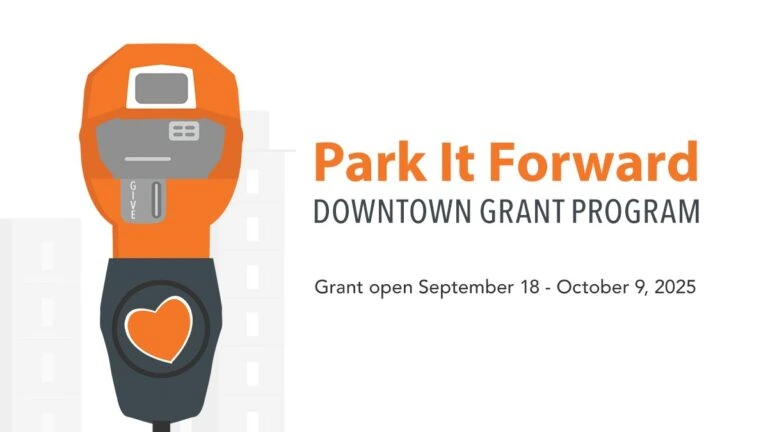
“Park It Forward” Launches: EasyPark Turns Parking Change Into Community Change

Anchorage, AK – The Anchorage Community Development Authority (ACDA), through its EasyPark division, is excited to announce the launch of the Park It Forward: Downtown Anchorage Grant Program—a bold new initiative that reinvests parking meter revenue into local projects that spark energy, creativity, and life in downtown Anchorage. “This is more than a grant—it’s a promise that every quarter dropped into a meter supports our community,” said Mike Robbins, Executive Director of ACDA. “Park It Forward strengthens the heart of our city by putting public dollars back into public spaces.” Through this new program, EasyPark will award grants ranging from $1,000 to $25,000 to local nonprofits, small businesses, and community groups for projects like murals, events, beautification, and public activations. The goal: fuel community-led ideas that make downtown more vibrant and engaging. “The Park It Forward initiative is a fantastic example of what can happen when we think creatively about our municipal resources and take proactive steps to invest in our future,” said Mayor Suzanne LaFrance. “It’s a clear win for our community as we work together to revitalize downtown and build a more dynamic and thriving Anchorage for all.” $6.1 Million and Counting Since 2002, ACDA and EasyPark have invested over $6.1 million directly back into the community—supporting beautification, infrastructure upgrades, public art, and partnerships that keep Anchorage’s downtown thriving. Park It Forward builds on that legacy by empowering locals to bring their ideas to life. Built on Community Voice The program is directly shaped by findings from ACDA’s Downtown Community Survey, where 747 respondents called for: More public art and murals Vibrant public spaces and creative events A stronger, people-first downtown identity Apply Now Applications are now open at www.easyparkalaska.com/grants from September 18 - October 9, 2025. Awards will be announced within 4 weeks of the cycle closing. For more information or assistance with your application, contact Melinda Gant at mgant@acda.net.

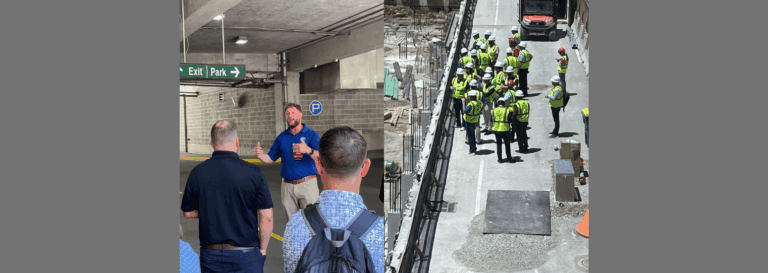
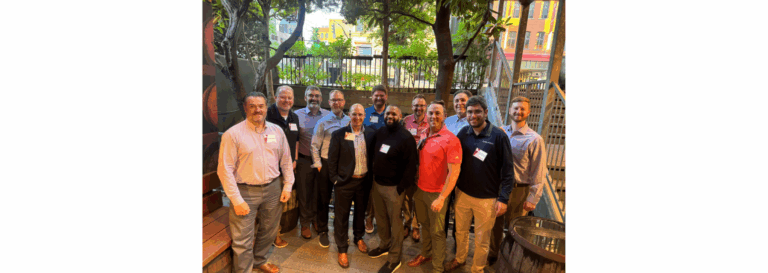
Two photos of multiple people
Community Events IPMI Blog Municipal/Cities

Isn’t It Great When They Really Get It?

I have been fortunate to hear from many city officials about their views on parking and its influence on overall livability, growth, and economic development in their communities. At the inaugural Midwest Parking & Mobility Association Conference, recently held in Kansas City, Missouri, attendees were welcomed by Deputy City Manager Kimiko Black Gilmore, who shared the following positive message: As Deputy City Manager and Executive Director of Convention and Entertainment Facilities, I wear a couple of hats that make me especially appreciative of this moment. Whether it’s managing large-scale events at our convention center or helping guide long-term city strategy, I’ve seen firsthand how essential parking and mobility are—not just to logistics, but to quality of life, economic growth, and our collective ability to welcome people into public spaces. Here in Kansas City, we embrace the complexity of parking. We know it’s not just about where you leave your car—it’s about how people move through a city, how we support local businesses, and how we create environments that are accessible, equitable, and sustainable. We also know it’s a balancing act. On one hand, we value convenience—especially when it comes to supporting small businesses and neighborhood destinations. On the other, we understand that the expectation of free parking often clashes with the very real need to charge in order to keep vehicles moving and make space for more people to access what our city has to offer. It's about turnover, fairness, and reinvestment. Like many cities, we are navigating this space thoughtfully. Whether it’s through dynamic pricing, modernizing infrastructure, or incorporating more multimodal options into our planning—we are learning, adjusting, and striving to do what’s right for our residents, our businesses, and our visitors. So, while parking may not always be glamorous, it is critical. It’s the first impression we make and often the last interaction someone has with our city. That’s why your work matters so much. By all accounts, Kansas City’s leadership clearly understands the critical role parking plays, and the value that parking professionals bring to the table. It is so refreshing to hear! Shawn Conrad, CAE, is the CEO of IPMI.

Launch of Mobility Pathfinders Press Release
Community DEI IPMI & Member News Leadership Vendors/Products

Industry Leaders Unite to Launch Mobility Pathfinders: Advancing Women in Parking and Mobility

A powerful new force is emerging in the parking and mobility industry: Mobility Pathfinders, a nonprofit association dedicated to supporting and advancing women across the sector. Founded by a group of dynamic industry leaders, Mobility Pathfinders was created to close the gender gap and build a future where women at every level can lead, connect, and thrive. The founding Board of Directors includes: President – Adrienne Tucker, Director of Parking & Transportation, Kansas State University Vice President – Dulce Gomez, Assistant Parking Manager, City of Pasadena Vice President – Kathleen Laney, President, Laney Solutions Secretary – Alyssa Alt, Public Works Division Manager – Parking, City of Colorado Springs Treasurer – Anneliese Allgeyer, Chief Administrative Officer, DESIGNA Chief Programming Officer – Dr. Tanara Teal-Tate, Executive Director of Parking & Transportation, University of Tennessee, Knoxville Mobility Pathfinders was born from a shared commitment to reshape the industry by fostering a supportive, inclusive community for women. The organization is focused on growing the pipeline of female talent, creating career-defining opportunities, and inspiring the next generation of leaders. A free webinar will be held on August 11, 2025, at 1 PM ET / 11 AM PT to officially introduce Mobility Pathfinders and highlight what’s ahead. Registration is available on the Mobility Pathfinders website or through this link. Adrienne Tucker, President of Mobility Pathfinders, shared: “The parking and mobility industry is a critical part of how our cities move and function. Women’s contributions are essential, yet too often overlooked. Mobility Pathfinders is here to change that by providing the support, resources, and connections women need to succeed and lead.” Dulce Gomez, Vice President, added: “Mobility Pathfinders is about more than closing the gender gap it’s about creating real, lasting change. I’m proud to be part of an organization that’s committed to elevating women’s voices and making our industry stronger and more inclusive.” Kathleen Laney, Vice President, echoed the excitement: “The enthusiasm from across the industry has been incredible. People recognize the need for something like this, and the response has validated everything we hoped Mobility Pathfinders could be.” In the weeks ahead, Mobility Pathfinders will share more about its programs, from the Wayfinder Mentorship Program and professional development opportunities to industry networking and member-led initiatives that celebrate women's stories and achievements. Stay connected with the movement at mobilitypathfinders.org and follow Mobility Pathfinders on LinkedIn and other social media for the latest updates. Changing the industry. One pathfinder at a time.

loyalty and related words
Community IPMI Blog Planning

IPMI 2025 Recap: Shifting the Industry Paradigm Toward Rewards

Parking has a reputation problem. Many motorists perceive parking as penalizing, confusing, and expensive. That perception has persisted for over a century, dating back to the earliest parking meters and tickets. And while parking management technology has advanced tremendously in that time, enforcement models have remained largely unchanged. Other industries have made notable strides in improving the customer experience. Airlines offer miles. Car insurance companies reward safe driving. Banks and credit card companies provide cashback and loyalty perks. The list goes on. Over time, these industries have helped influence positive consumer behavior by establishing trust and long-term customer relationships. Parking can draw inspiration from these industries. At IPMI 2025, leaders from Park Loyalty and RISETEK presented a packed session exploring customer loyalty programs for parking. How can the parking experience reward compliance? What if local businesses gained new ways to engage customers? Picture this: a driver pays to park and receives a coupon from a nearby café. Or they earn a small perk, like a discount on dry cleaning, just for consistently following parking rules. Even parking tickets could become less painful if timely payment leads to a future discount. These simple ideas can shift public perception of parking, promote compliance, and foster new community connections to local businesses. This model introduces a “value triangle” between agencies, drivers, and merchants. Everyone contributes, and everyone benefits. Cities and universities see better compliance. Motorists feel appreciated. Local businesses attract more visitors. This isn’t just a concept. Modern parking platforms can support these strategies. Programs can be agency-branded, tailored to local needs, and integrated into existing systems without disrupting enforcement or revenue. The future holds that parking can still be fair and well-managed while building trust instead of resentment. Full recap: https://parkloyalty.com/parking-rewards-changing-enforcement-for-better-compliance/ Julia Scholl is a Marketing Manager for Park Loyalty. Julia can be reached at julia.scholl@parkloyalty.com.

Louisville Blog picture - how to say "Louisville" many ways
Community Data Events IPMI Blog Technology

What We Learned at IPMI 2025 - Data, Drones, and Game Day Drama

The International Parking and Mobility Institute (IPMI) Conference is always a chance to spot what’s next in parking and mobility (and maybe a little of what’s not working yet). This year was Peter Richards' 5th year attending (and 1st since he founded Parkicity), and it delivered everything from live drone feeds at NFL stadiums to lessons on permit data pitfalls. Here are a few key takeaways from IPMI in Louisville. I've been saying it wrong all this time! Permits, Pilots, and Parking Near Stadiums On a tour near the Louisville City FC soccer stadium, we heard about a Residential Permit Parking (RPP) program that was launched - and then quickly shut down - because residents said they weren’t notified. But they were. The area, once home to a car junkyard, now hosts 2,200 gravel lot spaces and has big redevelopment plans for retail and apartments. But enforcement and event planning challenges remain. People park for free far from the stadium, and attempts at event programming (like concerts) have literally torn up the turf. It should also be noted that Louisville is a multi-vendor paid parking app, meaning visitors have the choice of their favourite app. Pick an app, any app From LPR to Insight: The Dirty Work Behind Clean Data A major thread at the conference was data and how to collect occupancy, 24/7 or periodically. One presentation highlighted the benefits but also the complexity of turning license plate recognition (LPR) and camera data into useful information. The raw feeds - LPR scans, citations, permits, payment transactions, even drone images need serious cleanup: Enforcement schedules can skew what’s captured Sensor coverage is patchy, especially beyond pay stations License plates need fuzzy matching (is that a Z or a 2?) Metadata like vehicle type or duration is often missing Privacy measures must anonymize plates before analysis One theme emerged: “Data should inform decisions, not lead them.” Cities need “before and after” metrics - occupancy, permits issued, citation volume, and compliance - to prove that a permit or pay program solves an actual problem. Hayes Valley’s “Pay or Permit” program in San Francisco came up as a model, built on three pillars: Most parkers aren’t local Most non-residents are overstaying Occupancy is consistently high Toronto’s Parking Tech and EV Future The City of Toronto shared its evolving mobility landscape - and how parking is still part of the story. A few standout stats and ideas: One lot near Spadina added Purolator parcel lockers and increased revenue by 33%. Multi-functional lots add value 50% of EV charging users lived within 1km of the charger, 57% of users live within 5 km They’ve processed 50,000 new EV transactions Long-term goal: reduce from 3,100 to 2,000 meters - but keep them for the next decade One big idea or dream floated by the TPA VP of Operations: a future monthly bundle for parking, transit, and bike share access. Not here yet - but the bundling / Mobility as a Service joint offering conversation is getting louder. Digital Curb Challenges from Seattle to Boston Cities are still figuring out how to digitize the curb. A few shared challenges: Cameras are tricky to deploy due to mounting, power, and departmental silos Cyclomedia and Cartegraph are used in Boston, but 20% of signs were missing from digital records Trucks and passing vehicles can feed false data into sensors or AI Even with real-time availability, Minneapolis noted delivery drivers likely wouldn’t use this information - routes, schedule, and habits matter more Seattle’s commercial load zone data showed 80% of vehicles were parked illegally, underscoring that enforcement is essential - especially for small businesses that rely on load zones for survival. It was stressed that the management of these commercial loading zones is a key factor to the value of the permit and if they would actually buy the monthly permits Seattle released the CurbIQ digital curb inventory and real-time information of these load zones, and it's super cool: https://seattle.curbiq.io/public-default/ Brian Hamlin from Seattle DOT showing up their real-time public map link NFL Game Day Parking is a Logistics Masterclass Walter P Moore walked us through the logistics of managing 26,000 spaces on NFL game day at the Houston Texans' NRG Stadium: 21,000 spaces are used by fans, the rest for staff, media, and other “back of house” roles Rideshare lots, pedestrian plans, and cashless mobile passes are all part of the playbook “Eyes on approach and egress” with roaming vehicles is key Staff use active guidance to manage entry and exit flow Most fans are parked 15 minutes after kickoff, and the lots are cleared within 1 hour after the game Could Parkalytics and their drone parking surveys support live feed monitoring or drone mapping here in the future? Something for event management planners to consider. Ushering in the New Curbside Management Era: How to Transition from Parking to Curbside Management The Curb Super Group! This municipal workshop was led by experts from Minneapolis, Miami Parking Authority, Washington DC, Fairfax County, City of Richmond (and Parkicity), and centered around various burning questions and issues municipalities are having at the curbside, from policy and regulations, to simply digitizing and mapping their curbs. Despite various sized municipalities, the issues were similar - staffing, budgets, politics, prioritization, coordination, data ownership, and communication Cities want to digitize their curb, but need internal champions Solutions discussed included budgeting for curb-related digitization and studies, using software to aid the process, and starting small with pilots Final Thoughts There’s no single path to modern curbside management, but the ingredients include items such as strong data foundations, clear goals and objectives, city buy-in from top to bottom, smart tech applications, and responsive operations. Open Mobility Foundation bike ride Have questions on any of these takeaways or want to test out some of these strategies in your city? Let’s talk. Peter Richards, P.Eng., is the President and Principal Consultant for Parkicity. Peter can be reached at pete@parkicity.com. This blog is republished with permission from Parkicity: https://www.linkedin.com/pulse/volume-8-what-we-learned-ipmi-2025-data-drones-game-day-drama-5jxjc/  

Conference Photo Blog
Community Events IPMI Blog

The IPMI Conference: A Familiar Ride with New Thrills

Every year, heading to the IPMI Conference feels a bit like getting in line for a roller coaster for me. There’s that initial moment—right before it all begins—where you wonder how it’s going to go. You’re excited, sure, but there’s also that quiet buzz of nerves in the background. Then you arrive. You start bumping into familiar faces—old friends, colleagues, people you’ve only seen through the computer screen for the past year. Conversations start flowing, and before you know it, you’re in the groove. The energy of the event takes over. You’re swapping ideas, learning from others, and soaking in the buzz of the expo floor where vendors are showing off new technology – and a tiny horse, did anyone see that too?! Just when you’re feeling fully at home, it’s time to present. The nerves creep back in—but this time, they’re different. You and your co-presenter step up, deliver your session, and walk away knowing you nailed it. That’s a high that’s hard to beat. The whole experience is a whirlwind—ups, downs, adrenaline, inspiration. It’s a reminder of why we do what we do. You leave feeling energized by the new connections, the fresh ideas, and the sense that you’re part of something bigger. Sure, there’s never enough time to see and do it all, but that’s part of the magic. We come together at IPMI not just to learn, but to grow—together. And every year, that ride is worth it. Nick Mazzenga is a Parking Technology Consultant for Kimley-Horn & Associates, Inc. Nick can be reached at nick.mazzenga@kimley-horn.com.

Member Roundtable chats
Community Design Development IPMI Blog Parking Facilities Planning

Roundtable Key Takeaways: Designing For Future Operational Flexibility

IPMI’s Planning, Design, and Construction committee hosted a member roundtable focused on parking-related design and construction trends, including commercial real estate market costs and technologies that affect how garages and PARCs systems are designed.

Member Roundtable chats
Community Enforcement IPMI Blog Legal Municipal/Cities Parking Facilities Policy University

Roundtable Key Takeaways: Higher Education Parking on Both Sides of the Pond

In this joint roundtable between IPMI and the British Parking Association (BPA), we will discuss the similarities and differences between higher education parking in North America and Great Britain and what can be learned from the experiences of both.

IPMI PTMP group photo
Certification Community IPMI Blog Leadership Training/Education

PTMP™: The Certification We Need Right Now

The evolution of Certified Administrator of Public Parking (CAPP) into Parking, Transportation & Mobility Professional™ (PTMP™) isn’t a gimmick—it’s growth. It isn’t just a rebrand—it’s a recognition that our industry continues to transform. CAPP was needed and right for its time. Times are different now, and it’s time for a credential that captures our diverse, dynamic work across the parking, transportation, and mobility sectors.

Homelessness behind parking meters
Community Enforcement IPMI Blog Legal Municipal/Cities Parking Facilities Policy Training/Education

Webinar Key Takeaways: Homelessness - Not Just a Housing Problem

The homelessness crisis in America is real and has far-reaching economic and community impacts. Parking and mobility owners and operators are facing issues on both the operations and enforcement fronts, from people sleeping outside in and around the garages to those seeking shelter in automobiles using parking garages and lots as places to sleep for the night or longer to stay safe.