
July/August's Ask the Experts - More Great Answers!
The July/August Ask the Experts question generated so many strong responses that not all could be included in one place.
IPMI & Member News
The July/August Ask the Experts question generated so many strong responses that not all could be included in one place.
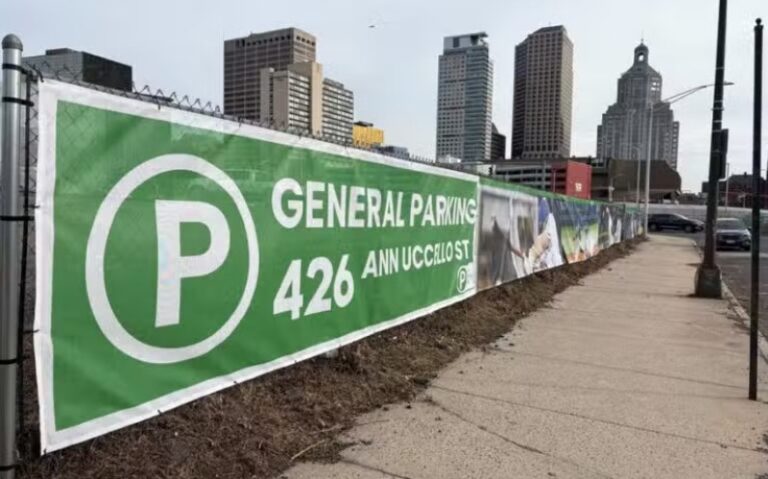
It seems parking is always a problem in the mind of every driver as they approach their destination, including me, who knows that there is definitively no parking problem. It seems this tendency to think if we cannot park right in front of the place we are going then “without a doubt there is a parking problem!” When walking a few extra steps (i.e., a block or two) is good for us and is NOT a parking problem. This parking conundrum seems to have entered our minds instinctually from the time we started driving and convinces us we have the right to park in front of where we are going.
There are people you meet throughout your career who leave an impression because of what they accomplish. Then there are people like John Glodt, who leave an impression because of who they are. With the blessing of John's wife and family, I wanted to share the heartbreaking news that John passed away last week on July 1 after a courageous battle with an aggressive form of cancer.
It’s been a couple of months since our campus was thrust into a moment none of us were prepared for, and I’ve been thinking a lot about how the emotional landscape shifts with time. In the first days following the campus shooting, later defined a terrorist attack, everything felt sharp and disorienting — a kind of collective vertigo. Now, a couple of months later, the edges have softened, but the weight hasn’t fully lifted for me. It hasn’t disappeared. In many ways, it feels as though it’s settled quietly beneath the surface.
City budgets face unprecedented pressures as rising costs for services, infrastructure, and climate resilience collide with flat tax revenues and uncertain federal aid. Yet at the curb -- prime real estate contested by deliveries, ride-hailing, bikes, and parkers -- many municipalities leave millions in potential revenue uncollected. Fragmented payments, legacy meters, and siloed enforcement practices create massive revenue gaps.
Payments power nearly every part of the modern parking experience, from kiosks and gates to mobile apps and permits. But for many parking professionals, what’s happening under the payments hood remains a black box.
Attending my first IPMI Conference has reinforced one idea above all else: parking is no longer just about managing spaces—it’s about creating a complete mobility experience.
The IPMI Conference & Expo is always one of the highlights of the year. IPMI brings together parking operators, consultants, universities, technology providers, municipalities, and mobility professionals from across North America to share ideas, debate challenges, and discuss where the industry is heading. The bonus was that Milwaukee was such a cool city!
I walked into my first IPMI conference not entirely sure what to expect. Being a newbie to the parking industry, I had been a bit tongue-in-cheek when I touted to my friends that I’d be going to this conference “IPMI is huge in the parking industry, trust me guys.”
In every parking operation, there is a subtle but essential choreography unfolding each day—the work of customer service representatives. These professionals perform a delicate dance between policy and empathy, structure and flexibility, enforcement and understanding.
Diane presented her "Thrive by Design" framework, centered on Vision, Voice, Value, and Velocity. Participants reflected on factors that drive career success, identified barriers that may be limiting their growth, and learned how to reframe those beliefs. Through a case study, Diane highlighted the importance of self-promotion and strategic networking in increasing professional visibility and opportunities. The session concluded with resources for identifying personal strengths and guidance on building effective professional networks.
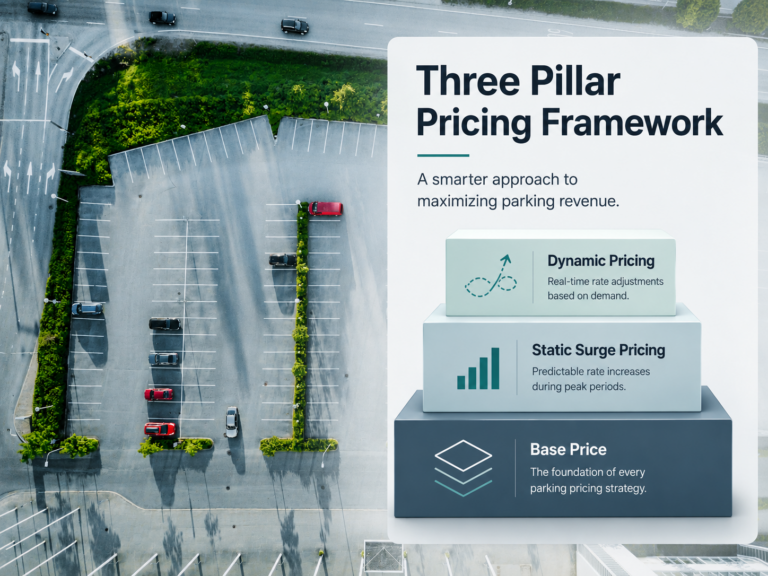
Dynamic pricing is transforming the parking industry, but what happens to the humble reservation when rates change by the minute? For most operators, a "reservation" has always been a simple pre-purchase: a customer pays a fixed rate and parks later. That model made sense in a world of static pricing. But as AI-driven pricing engines, real-time occupancy data, and gateless systems become the norm, selling a fixed-price booking days or weeks in advance creates real tension. Operators must choose: honor the original rate and leave revenue on the table or embrace fully dynamic pricing and risk alienating customers who value certainty.